Why You Keep Quitting Your Good Habits (And How to Finally Stay Consistent)
You’ve been here before. You start a new habit full of motivation — maybe it’s drinking more water, reading before bed, or exercising three times a week. The first few days feel great. Then life gets busy, you miss a day, and somehow that one missed day turns into a week, and the habit quietly disappears.
If this sounds familiar, the problem isn’t your willpower. It’s that most people approach habits the wrong way. Let’s talk about why consistency is so hard, and what actually works to fix it.
Motivation Fades. Systems Don’t.
Motivation is a feeling, and feelings are unreliable. Some days you’ll feel inspired, other days you won’t — and if your habit depends entirely on feeling motivated, it will eventually fall apart.
The people who stay consistent aren’t more disciplined than everyone else. They’ve simply built a system around their habit so it doesn’t rely on motivation at all. For example, instead of saying “I’ll exercise when I feel like it,” they set a fixed time, lay out their clothes the night before, and treat it like a non-negotiable appointment.
Start Smaller Than You Think You Need To
One of the biggest reasons habits fail is that people aim too high, too fast. Deciding to read 50 pages a day or work out for an hour daily sounds impressive, but it’s also exhausting to maintain — especially in the first few weeks.
Instead, shrink the habit down until it feels almost too easy. Want to read more? Start with one page a day. Want to exercise? Start with five minutes. This might feel silly at first, but the goal isn’t the workout itself — it’s proving to yourself that you can show up every single day. Once that identity is built, increasing the habit becomes natural.
Track Your Streak, Not Just the Result
Focusing only on the end goal (like losing weight or finishing a book) can make the process feel slow and discouraging. Instead, shift your focus to tracking your streak — how many days in a row you’ve shown up.
Something as simple as marking an X on a calendar for every day you complete your habit creates a visual reminder of your progress. Over time, you won’t want to break the streak, and that alone becomes a powerful motivator.
Expect to Miss a Day — Just Don’t Miss Two
Perfection is not the goal, and expecting yourself to never slip up sets you up for disappointment. Life happens — you’ll get sick, travel, or simply have an off day.
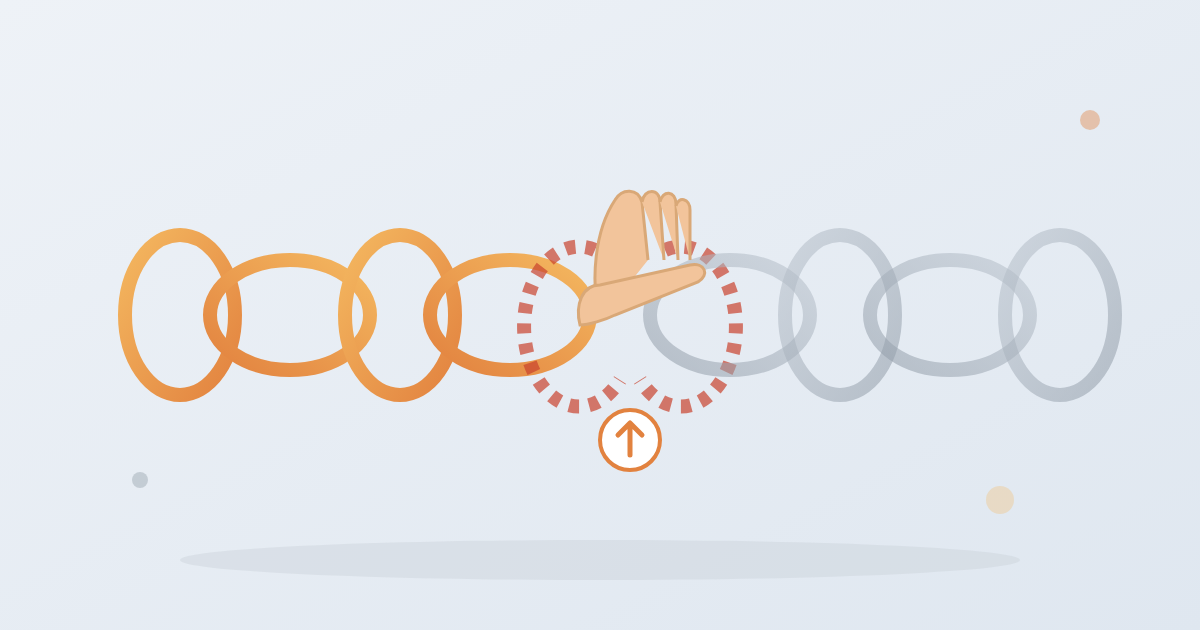
The real difference between people who stick to habits and those who don’t isn’t that they never miss a day. It’s that they don’t let one missed day turn into two. If you miss a day, get back on track immediately instead of waiting for “next Monday” or “next month” to restart.
Attach New Habits to Existing Ones
Your brain finds it easier to remember a new habit when it’s linked to something you already do automatically. This is sometimes called habit stacking.
For example, if you already drink coffee every morning, use that moment to also write down three things you’re grateful for. If you already brush your teeth at night, use that time to think about one thing you did well that day. Attaching new habits to existing routines removes the mental effort of “remembering” to do them.
Remove Friction, Don’t Rely on Willpower
If your habit requires effort just to get started, you’re more likely to skip it. Want to drink more water? Keep a bottle on your desk instead of in another room. Want to journal? Keep the notebook and pen right next to your bed instead of in a drawer.
The less friction there is between you and your habit, the more likely you are to actually do it — even on low-energy days.
Final Thoughts
Staying consistent isn’t about having more discipline than everyone else. It’s about designing your habits and environment so consistency becomes the easy choice, not a daily battle. Start small, track your progress, forgive the occasional missed day, and build systems that don’t depend on how motivated you feel.
Give it 30 days. You’ll be surprised how much a few small, consistent habits can change.